Jade Lizard Calculator
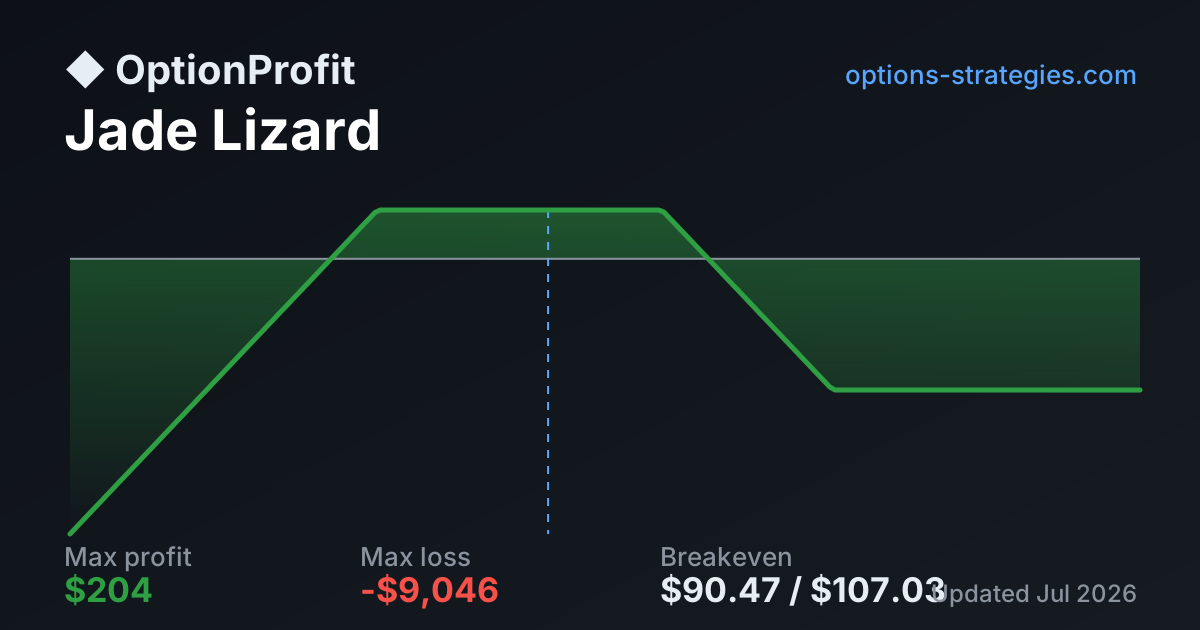
A jade lizard sells a put and a call spread at the same time. Structured so the total credit is at least the width of the call spread, it carries no risk if the stock rises — only downside risk, like a short put.
Interactive calculator
Edit the price, strikes and premiums to see the payoff update live.
Want probability of profit and live Greeks on real prices? Open the Jade Lizard calculator →
⧉ Embed this free calculator on your site →
Key characteristics
- Three legs: short out-of-the-money put + short call + long further-out call (the call spread).
- No upside risk when the credit received is greater than or equal to the call-spread width.
- Profits in a wide range: anywhere above the put strike at expiration keeps most of the premium.
- Downside risk is the same as a cash-secured put — you may be assigned the stock.
When to use a jade lizard
Use a jade lizard when you are neutral to mildly bullish and want to collect premium without the upside risk of a naked strangle. It is a favourite of premium sellers on stocks they would not mind owning lower.
It works best when implied volatility is elevated (richer premiums) and you have no strong view that the stock will fall sharply.
How the payoff works
Maximum profit is the net credit, earned if the stock finishes between the put strike and the short call at expiration. Above the long call, the call spread is fully offset, so the credit still cushions you — no loss on the upside.
The risk is below the put strike: like a short put, your loss grows as the stock falls, down to (put strike − credit) × 100 at a zero stock price.
On the Greeks, the Jade Lizard is vega-negative — a fall in implied volatility (such as an earnings IV crush) works in your favour, and theta-positive, so time decay adds to the position each day it is held.
Managing the trade and common mistakes
Experienced traders typically target 50–75 % of maximum credit as their profit-taking threshold on a Jade Lizard. Because the structure combines a short put with a short call spread, the put decays faster early in the trade while the call spread loses value more slowly. Many traders close the short put first when it reaches near-zero value and let the call spread expire worthless separately, locking in gains in two stages rather than waiting to manage the whole position at once near expiration.
Rolling and adjusting a Jade Lizard requires treating its two components with different logic. If the underlying rallies sharply and the short call is threatened, you can roll the entire call spread up and out to a later expiration for a net credit, widening your breakeven. If the underlying drops and the short put moves in-the-money, rolling the put down and out buys time but also increases net short delta — only do this if your outlook remains bullish. A hard stop is appropriate when the short put intrinsic value exceeds the total credit received, because at that point the original no-upside-risk premise of the trade has broken down.
The most common beginner mistakes with the Jade Lizard are: confusing the absence of upside risk with the absence of any risk at all; selecting a call spread that is too narrow, which caps the credit and leaves almost no buffer before the spread pays out; and ignoring pin risk at expiration. If the underlying closes exactly at the short call strike, the long call expires worthless but the short call may or may not be exercised, leaving an unexpected short stock position overnight. Always close the call spread before expiration if it is near the money. Liquidity in the individual legs matters too — wide bid-ask spreads erode the net credit that makes this strategy worth putting on.
Calculate it live
Use the free OptionProfit Jade Lizard calculator to load a live option chain, build the trade, and instantly see the payoff chart, breakevens, probability of profit, Greeks and a Monte Carlo simulation of outcomes.
- Jade lizard = short put + short call spread, collected for a credit.
- No upside risk when the credit ≥ the call-spread width.
- Downside risk mirrors a cash-secured put.
- Best in high implied volatility on names you would own lower.
SPY, QQQ, IWM, AAPL, NVDA, AMZN, AMD, NFLX, MU, COIN, PYPL, SOFI, JPM, BAC
Frequently asked questions
Why does a jade lizard have no upside risk?
Because the call spread can only lose its width, and the total premium collected is set to be at least that width — so even an unlimited rally leaves you at worst breakeven on the call side.
What is the risk of a jade lizard?
The downside: below the short put strike you lose like a short put, and may be assigned 100 shares at the strike. Size it like a cash-secured put.
When does a jade lizard reach max profit?
When the stock finishes between the short put and short call strikes at expiration, so all three options expire worthless and you keep the full credit.
Long CallLong PutCovered CallCash Secured PutNaked PutBull Call SpreadBear Put SpreadBull Put Credit SpreadBear Call Credit SpreadIron CondorLong Call ButterflyLong StraddleLong StrangleCollarCall Calendar SpreadNaked CallCall Diagonal SpreadPut Calendar SpreadBroken Wing ButterflyCall Ratio SpreadPut Ratio SpreadCall Ratio BackspreadPut Ratio BackspreadSynthetic Long StockStrapStripTwin PeaksKiteProtective PutShort StraddleShort StrangleSynthetic Short StockReverse Iron CondorReverse Iron ButterflyLong Call CondorDouble DiagonalZEBRA (Zero Extrinsic Back Ratio)Box SpreadRisk ReversalCovered StrangleLong GutsChristmas Tree ButterflyDiagonal Put SpreadConversionReversalCovered PutBig LizardReverse Jade LizardStock RepairRatio Call WriteJelly RollDouble CalendarBull Call LadderBear Call LadderBull Put LadderBear Put LadderSeagull SpreadRatio Put WriteLong Put ButterflyLong Put CondorPut Broken Wing ButterflyPut Christmas Tree Butterfly
Educational use only. Quotes are delayed ~15 minutes and nothing here is financial advice. Options trading involves substantial risk of loss. Privacy Policy · Terms & Conditions.