ZEBRA (Zero Extrinsic Back Ratio) Calculator
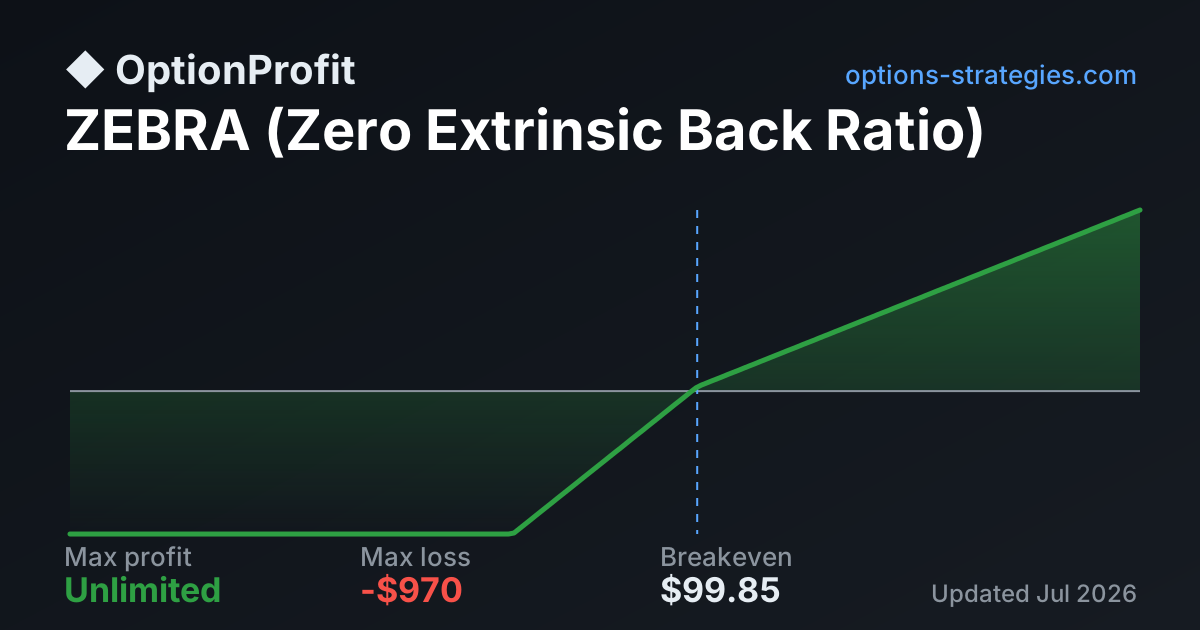
A ZEBRA (Zero Extrinsic Back Ratio) buys two in-the-money calls and sells one at-the-money call. The structure nets a delta near +100 — so it moves almost dollar-for-dollar with the stock — while the sold call cancels out most of the time value, giving stock-like upside with very little theta decay and a defined, limited downside.
Interactive calculator
Edit the price, strikes and premiums to see the payoff update live.
Want probability of profit and live Greeks on real prices? Open the ZEBRA (Zero Extrinsic Back Ratio) calculator →
⧉ Embed this free calculator on your site →
Key characteristics
- Buy two ITM calls, sell one ATM call: net delta near +100 (stock-like).
- The short call offsets the extrinsic value, so time decay is near zero.
- Unlimited upside; max loss is limited to the net debit paid.
- A capital-efficient, lower-decay substitute for buying stock or a single call.
When to use a ZEBRA
Use a ZEBRA when you are bullish and want stock-like exposure without paying for time value or risking unlimited capital. Because the position is roughly 100-delta with near-zero theta, it tracks the stock closely but bleeds far less than a plain long call if the move takes time.
It is popular as a replacement for 100 shares or a single in-the-money call: similar upside, defined risk, and you are not punished by decay while you wait for the thesis to play out.
Risks and mechanics
The maximum loss is the net debit, realised if the stock falls below the long strikes by expiration — larger than a single call would risk, because you bought two. It is a leveraged bullish bet, so size it accordingly.
The "zero extrinsic" balance only holds near entry; as the stock moves and time passes the Greeks drift, so it is usually managed or closed before expiration rather than held to the end.
On the Greeks, the ZEBRA (Zero Extrinsic Back Ratio) is vega-positive — rising implied volatility helps it, while an IV crush works against you, and theta-negative, so time decay erodes it and the move needs to come reasonably soon.
Managing the trade and common mistakes
Because the ZEBRA is structured to have near-zero extrinsic value in the deep in-the-money long calls, it behaves much like a leveraged stock position: it moves tick-for-tick with the underlying and has no theta decay working against you the way a regular long call does. That changes how you manage profit. Experienced traders set a target based on the underlying's price move — not on option premium — and trim or close the position when the stock hits that level. There is no race against time, so there is no reason to stay in longer than the original thesis requires. On the loss side, the absence of extrinsic value means there is also no cushion: if the underlying drops, the ZEBRA loses value at essentially the same rate as stock. Define a hard stop in terms of the underlying price before entry and respect it.
The most common beginner mistake is overpaying for the long calls and inadvertently building in more extrinsic value than intended. If the deep in-the-money calls still carry meaningful extrinsic value at entry — because implied volatility is elevated or bid-ask spreads are wide — the position is closer to a regular call spread than a true ZEBRA, and the theoretical advantages (no theta drag, high delta) are diminished. Always verify the extrinsic value of each long call leg before entry and favor underlyings with tight markets and liquid options. A second frequent error is ignoring the short call leg's assignment risk: since you sell one call at a higher strike, early assignment there would force a short stock position in your account. This is rare when the short call is out-of-the-money, but the risk rises if the underlying spikes through that strike and a dividend is imminent.
Liquidity is a genuine concern at expiration. Because the ZEBRA typically uses deep in-the-money calls, both the long and short legs can be hard to close cleanly near expiry if open interest is thin. Rolling the structure — buying back the short call and selling the long calls, then re-opening at the same ratio in a later expiry — is the standard way to extend the trade without abandoning the thesis. Roll early enough to avoid a liquidity squeeze, ideally several weeks before expiration. If the underlying has moved strongly in your favor and the short call is now deep in-the-money as well, close the entire position rather than rolling, because the credit you can collect by selling a new short call at a useful strike may no longer justify extending the trade.
Calculate it live
Use the free OptionProfit ZEBRA (Zero Extrinsic Back Ratio) calculator to load a live option chain, build the trade, and instantly see the payoff chart, breakevens, probability of profit, Greeks and a Monte Carlo simulation of outcomes.
- Two ITM calls − one ATM call ≈ +100 delta with near-zero time decay.
- Stock-like upside, defined downside (the net debit), capital-efficient.
- A lower-decay alternative to 100 shares or a single long call.
- Leveraged and best managed before expiration as the Greeks drift.
AMZN, META, GOOGL, AVGO, CRM, PLTR, PYPL, WFC, GS, V, MA, GM, T, KO
Frequently asked questions
What does "zero extrinsic" mean?
The two long in-the-money calls carry extrinsic (time) value, and the one short at-the-money call you sell has roughly the same amount — so they cancel, leaving a position made almost entirely of intrinsic value with little theta decay.
Why use a ZEBRA instead of buying the stock?
It gives similar ~100-delta upside for a fraction of the capital, with a defined maximum loss and little time decay — a leveraged, risk-capped substitute for 100 shares.
Is there a bearish version?
Yes — the mirror image buys two ITM puts and sells one ATM put for roughly −100 delta, giving stock-like downside exposure with the same low-decay idea.
Long CallLong PutCovered CallCash Secured PutNaked PutBull Call SpreadBear Put SpreadBull Put Credit SpreadBear Call Credit SpreadIron CondorLong Call ButterflyLong StraddleLong StrangleCollarCall Calendar SpreadNaked CallCall Diagonal SpreadPut Calendar SpreadJade LizardBroken Wing ButterflyCall Ratio SpreadPut Ratio SpreadCall Ratio BackspreadPut Ratio BackspreadSynthetic Long StockStrapStripTwin PeaksKiteProtective PutShort StraddleShort StrangleSynthetic Short StockReverse Iron CondorReverse Iron ButterflyLong Call CondorDouble DiagonalBox SpreadRisk ReversalCovered StrangleLong GutsChristmas Tree ButterflyDiagonal Put SpreadConversionReversalCovered PutBig LizardReverse Jade LizardStock RepairRatio Call WriteJelly RollDouble CalendarBull Call LadderBear Call LadderBull Put LadderBear Put LadderSeagull SpreadRatio Put WriteLong Put ButterflyLong Put CondorPut Broken Wing ButterflyPut Christmas Tree Butterfly
Educational use only. Quotes are delayed ~15 minutes and nothing here is financial advice. Options trading involves substantial risk of loss. Privacy Policy · Terms & Conditions.