Strap Calculator
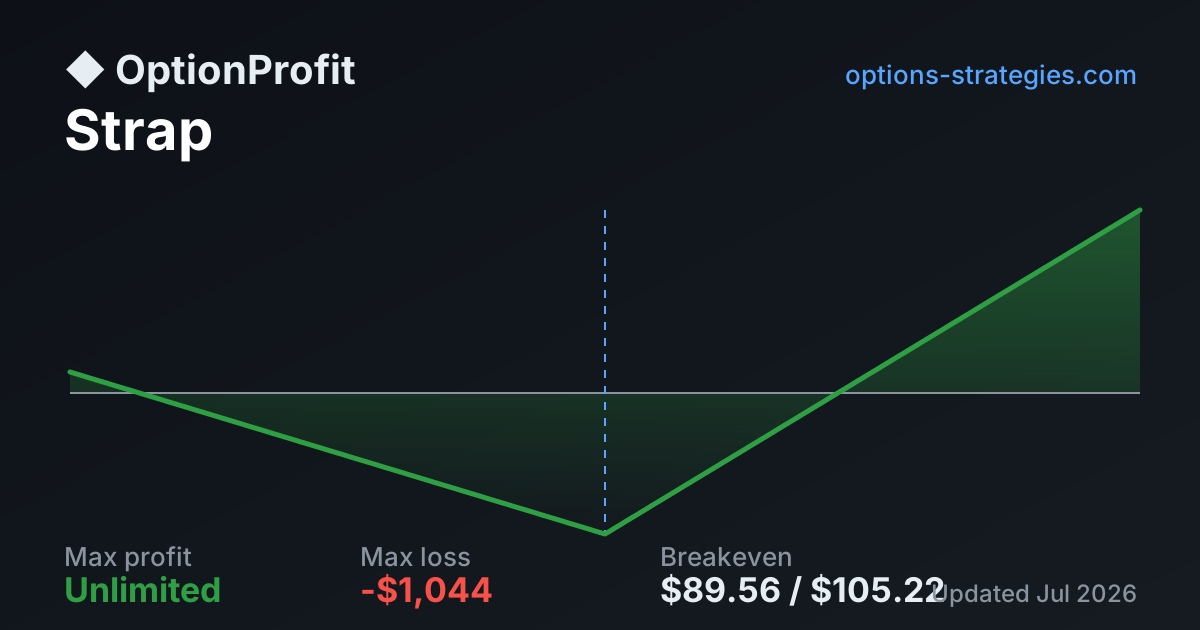
A strap is a straddle tilted bullish: two long calls and one long put at the same strike. It profits from a large move in either direction, but earns more if the stock rises than if it falls.
Interactive calculator
Edit the price, strikes and premiums to see the payoff update live.
Want probability of profit and live Greeks on real prices? Open the Strap calculator →
⧉ Embed this free calculator on your site →
Key characteristics
- Two long calls + one long put at the same strike (a 2:1 straddle).
- Long volatility with a bullish lean.
- Profits from a big move either way; bigger payoff on a rally.
- Defined risk — the most you lose is the total premium paid.
When to use a strap
Use a strap when you expect a large move and think the upside is more likely or larger — for instance ahead of a catalyst with bullish skew. It is a more aggressive, more expensive cousin of the long straddle.
It needs a sizeable move to overcome the cost of three options, so it is best when implied volatility is reasonable and a real catalyst is near.
How the payoff works
On a rise, the two calls give double the upside of a plain straddle. On a fall, the single put still profits, just less than a straddle would. Either way the maximum loss is the premium, reached if the stock pins the strike.
There are two breakevens — a closer one above and a wider one below — reflecting the bullish weighting of the position.
On the Greeks, the Strap is vega-positive — rising implied volatility helps it, while an IV crush works against you, and theta-negative, so time decay erodes it and the move needs to come reasonably soon.
Managing the trade and common mistakes
Because the strap holds two calls against one put, the position has a bullish delta tilt from the start. When a strong rally develops, the double call exposure can build profits quickly — experienced traders typically take the entire position off once the two calls together have roughly doubled, rather than waiting for expiration and risking that implied volatility collapses and gives the gains back. If the move is bearish instead, the single put profits but at a slower pace; in that case, many traders close the position once the put covers the total debit paid, accepting a near-breakeven result rather than praying for a larger drop. Rolling is rarely worthwhile: the strap is already a net-debit strategy and adding a second debit to extend duration compounds the theta drag.
The most common mistake is entering the strap when implied volatility is already high, which inflates the premium on all three legs and pushes the breakeven points far from the current price. A related error is misreading the directional edge — the strap is not a pure neutral trade, and traders who treat it like a straddle often undersize the upside target and exit too early on a rally. On the downside, beginners frequently forget that the single put must overcome a larger debit than in a plain straddle, making the downside breakeven further away; failing to account for this leads to holding a losing position too long in hope of a drop that never comes far enough.
Since all three legs are long, there is no assignment risk before expiration. Near expiration, however, watch both strikes carefully: if either or both calls finish in the money, automatic exercise will leave you long shares in each exercised contract. If the put finishes in the money, you will be short shares. Close any in-the-money legs before the final bell on expiration day if you do not want an involuntary stock position. Also watch liquidity on each leg individually — straps are less commonly traded than straddles, so the bid-ask spread on the individual options can widen unexpectedly. Always use limit orders and check both the call and put markets separately before sending the order.
Calculate it live
Use the free OptionProfit Strap calculator to load a live option chain, build the trade, and instantly see the payoff chart, breakevens, probability of profit, Greeks and a Monte Carlo simulation of outcomes.
- Strap = 2 long calls + 1 long put at the same strike.
- Long volatility with a bullish tilt.
- Bigger payoff on a rise than on a fall.
- Defined risk: the premium paid is the max loss.
Frequently asked questions
How is a strap different from a straddle?
A straddle is one call and one put; a strap adds a second call, so it profits more from an up-move while still benefiting from a down-move.
When does a strap lose money?
If the stock barely moves and finishes near the strike at expiration — then all three options decay and you lose the premium paid.
Is a strap defined risk?
Yes — every leg is long, so the most you can lose is the total premium you paid to open it.
Long CallLong PutCovered CallCash Secured PutNaked PutBull Call SpreadBear Put SpreadBull Put Credit SpreadBear Call Credit SpreadIron CondorLong Call ButterflyLong StraddleLong StrangleCollarCall Calendar SpreadNaked CallCall Diagonal SpreadPut Calendar SpreadJade LizardBroken Wing ButterflyCall Ratio SpreadPut Ratio SpreadCall Ratio BackspreadPut Ratio BackspreadSynthetic Long StockStripTwin PeaksKiteProtective PutShort StraddleShort StrangleSynthetic Short StockReverse Iron CondorReverse Iron ButterflyLong Call CondorDouble DiagonalZEBRA (Zero Extrinsic Back Ratio)Box SpreadRisk ReversalCovered StrangleLong GutsChristmas Tree ButterflyDiagonal Put SpreadConversionReversalCovered PutBig LizardReverse Jade LizardStock RepairRatio Call WriteJelly RollDouble CalendarBull Call LadderBear Call LadderBull Put LadderBear Put LadderSeagull SpreadRatio Put WriteLong Put ButterflyLong Put CondorPut Broken Wing ButterflyPut Christmas Tree Butterfly
Educational use only. Quotes are delayed ~15 minutes and nothing here is financial advice. Options trading involves substantial risk of loss. Privacy Policy · Terms & Conditions.